The Beehive & Bee Equipment Patent Archive
In 1852, a melancholy Philadelphia clergyman named Lorenzo Lorraine Langstroth patented a wooden box, and the box is still in use, essentially unchanged, in several million backyards right now. Patent 9,300 — the movable-frame hive — is built on one measurement: the "bee space," the three-eighths-inch gap that bees will neither seal with wax nor bridge with comb. Leave exactly that space around a frame and the bees treat it as a corridor; the frame lifts out clean, the colony survives inspection, and beekeeping stops being a form of demolition.
This site collects that patent and everything patented around it: the honey extractors that spin comb dry, the smokers, the queen excluders, the section boxes that made comb honey a store commodity — and also the losers, which are magnificent. The pre-Langstroth and post-Langstroth record teems with patent hives: hinged palaces, glass-walled parlors, moth-trap contraptions, hives that promised honey without stings or skill, sold by the township right through the era's agricultural journals warning against them. Bee culture may be the only category where the single most important patent and the largest volume of patented nonsense share the same shelf.
Because the architecture hasn't changed, this is a site for working beekeepers as much as collectors: the ancestor of every piece of equipment in your bee yard is here, drawn by a government engraver.
All of it is public domain. The bees never respected the claims anyway.
⬡ Begin here
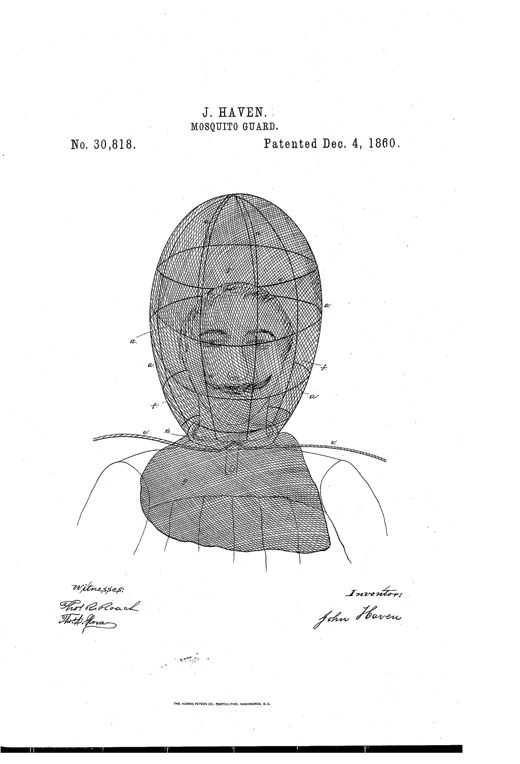 MOSQUITO GUARD.John Haven · December 4, 1860
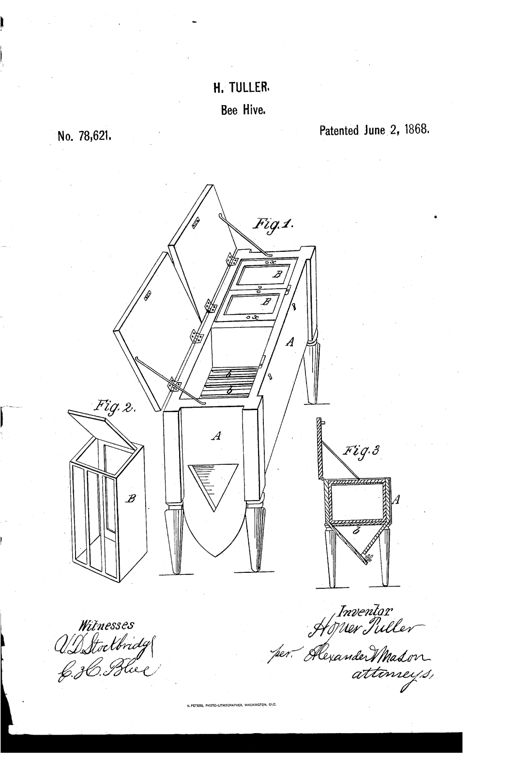 IMPROVEMENT IN BEE-HIVESHomer Tuller · June 2, 1868
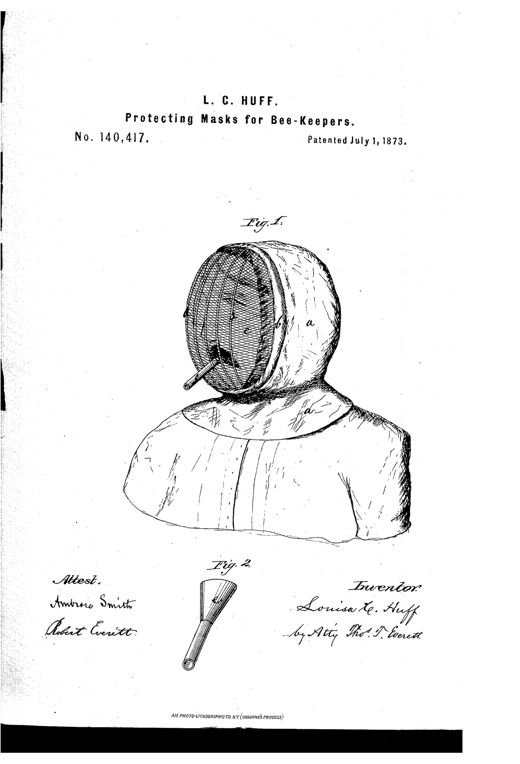 IMPROVEMENT IN PROTECTING-MASKS FOR BEE-KEEPERS.Louisa C. Huff · July 1, 1873
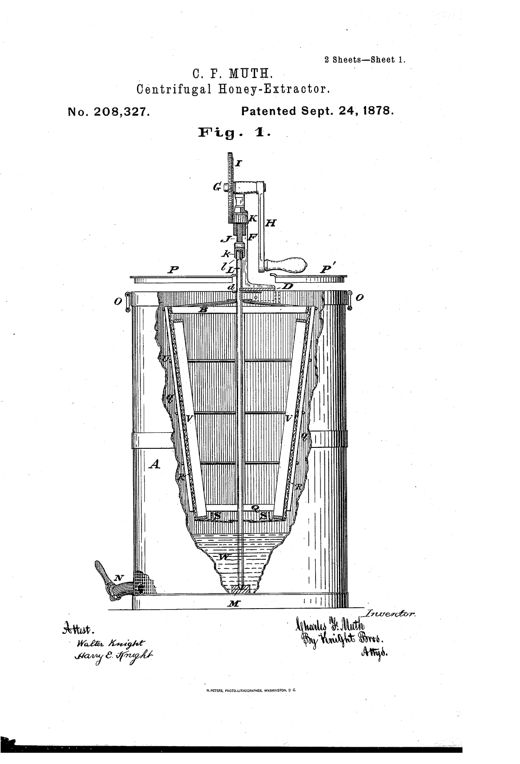 IMPROVEMENT IN CENTRIFUGAL HONEY-EXTRACTORSCharles F. Muth · September 24, 1878
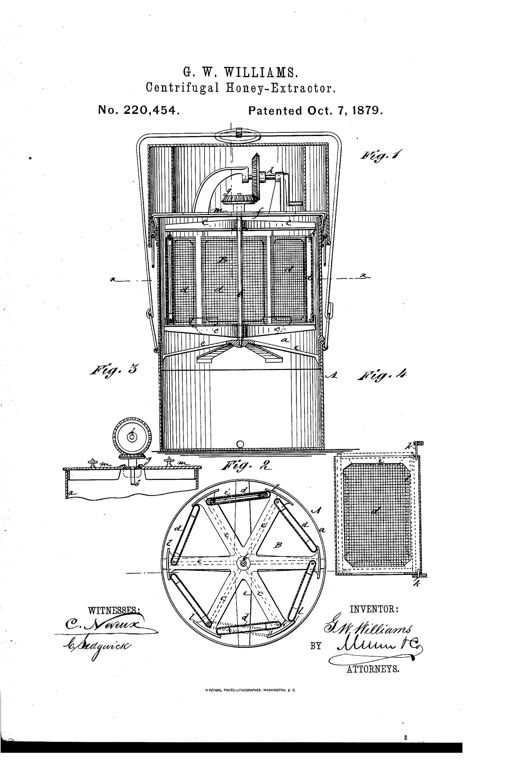 IMPROVEMENT IN CENTRIFUGAL HONEY-EXTRACTORS.George Warren Williams · October 7, 1879
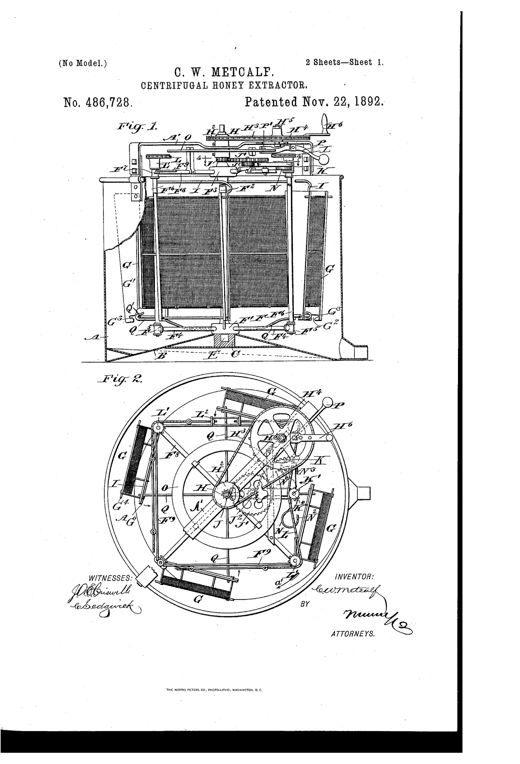 CENTRIFUGAL HONEY-EXTRACTOR.Charles W. Metcalf · November 22, 1892
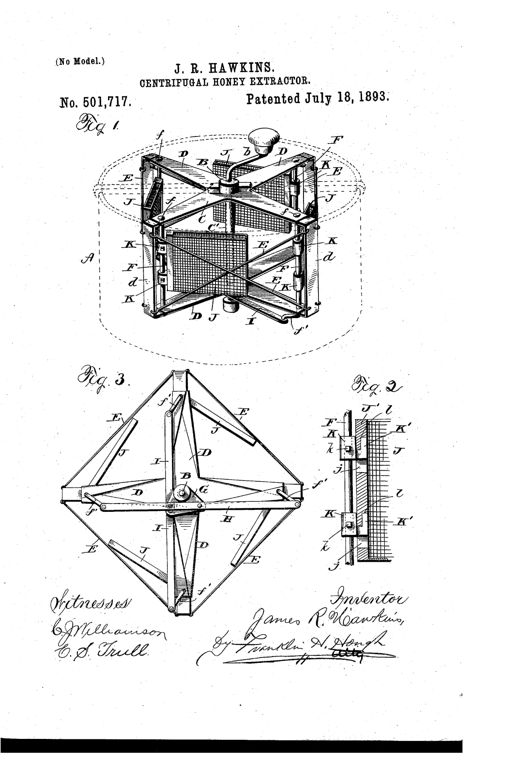 CENTRIFUGAL HONEY-EXTRACTOR.James Richard Hawkins · July 18, 1893
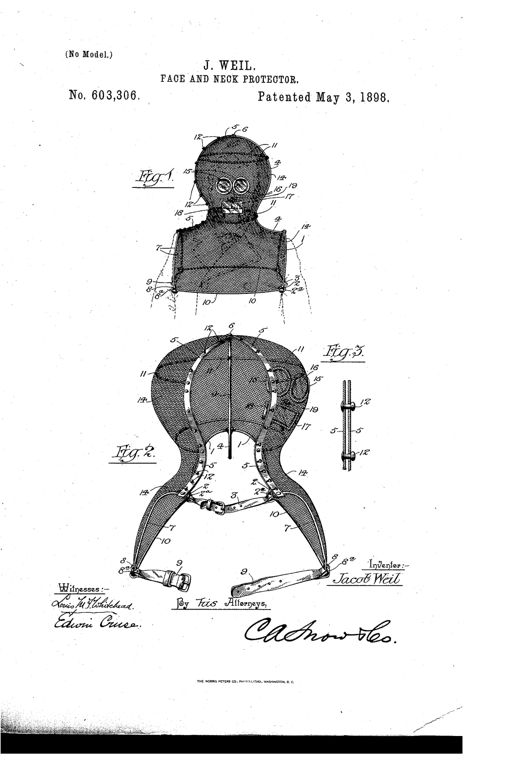 FACE AND NECK PROTECTOR.Jacob Weil · May 3, 1898